Private cultural tours of Morocco, from imperial-city introductions to Berber village circuits. All customizable.
 North → Imperial
 Cultural Immersion
 Authentic
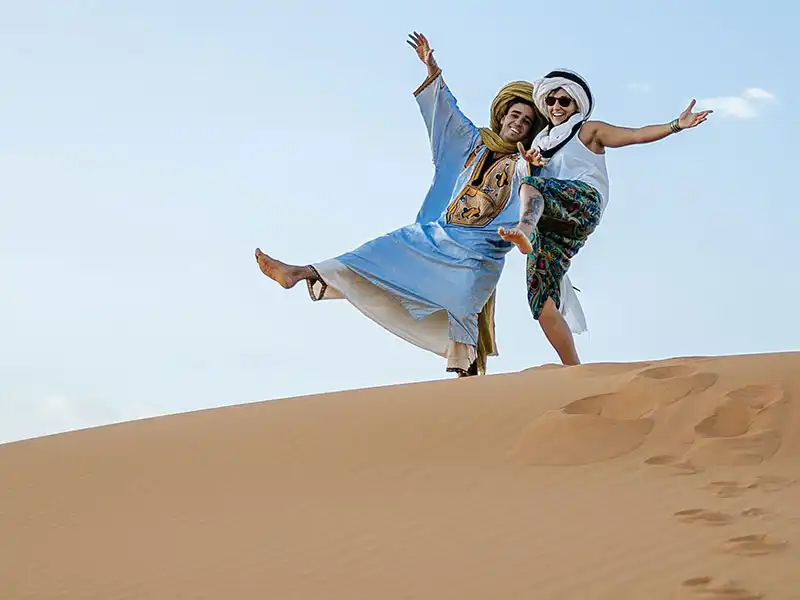 Coast → Sahara
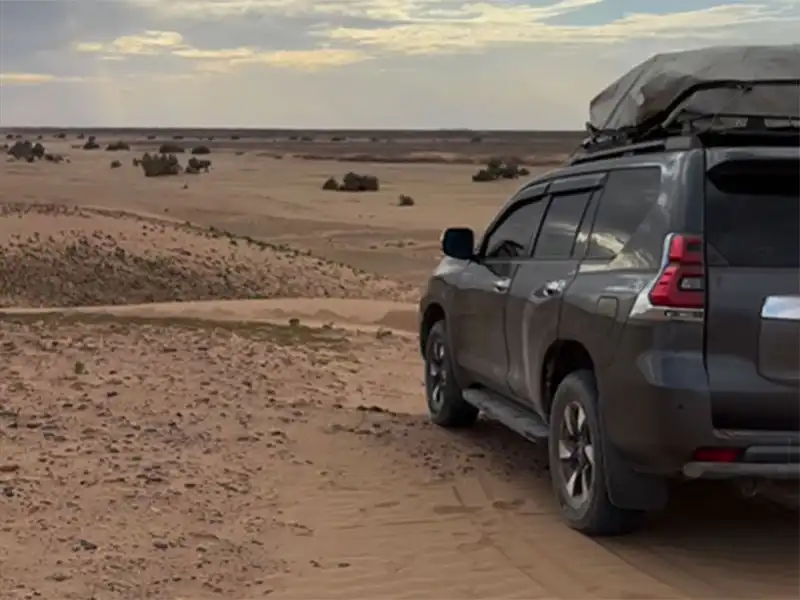 Adventure
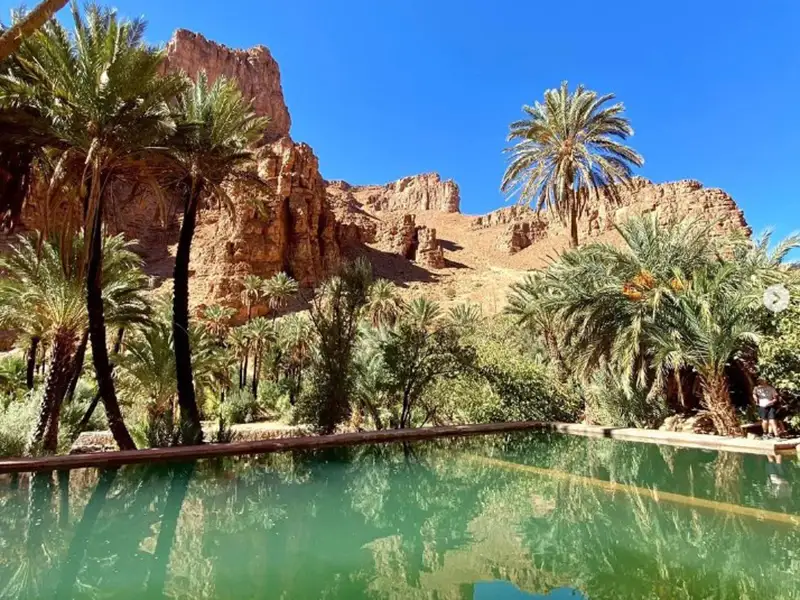 Deep immersion
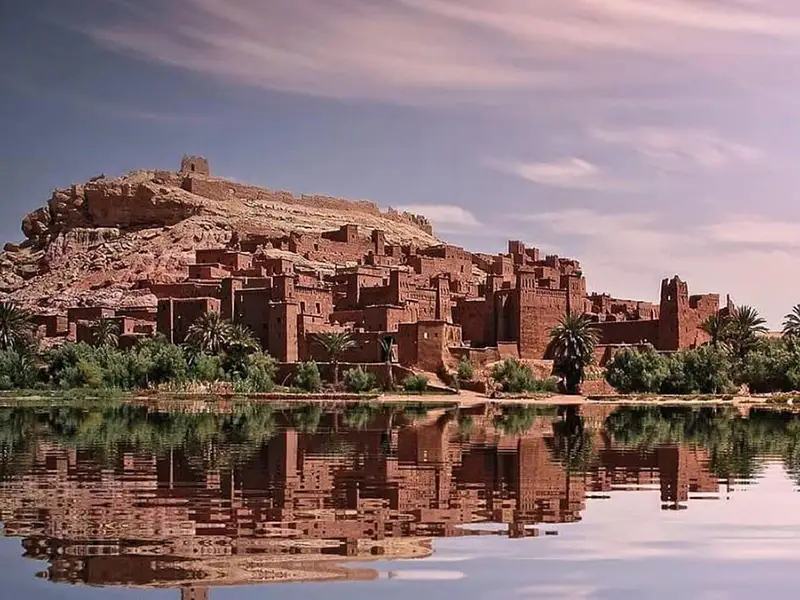 Most popular
 Luxury
 Grand Tour
A grand 3-week journey across Morocco's Imperial Cities, Atlas peaks, Sahara dunes, and Atlantic coast.
Morocco has three coastlines, and each gave the country a different cultural inheritance. Beneath them lie further layers, Amazigh, Roman, Arab, Andalusian, Jewish, Saharan, French and Spanish, that never quite blended. In the older quarters of Fes, you can walk fifteen minutes and pass through three of them.
A Morocco cultural tour is, in practice, a choice between layers. The Andalusian-Arab layer is the urban one, the medinas of Fes, Marrakech, Tetouan, the madrasas, the gardens, the music of Tarab Andalusi orchestras founded by 15th-century refugees from Granada. The Berber heritage Morocco offers is older and rural, the villages of the High Atlas and Anti-Atlas, the weaving traditions still practised on backstrap looms, the Ahidous and Ahwach music, the cooperatives that have organised the saffron and argan economies for generations. The Saharan layer is its own thing, Gnawa music descended from sub-Saharan slaves, nomadic encampments, the tea ceremony as still done in Zagora and M'Hamid.
What makes Morocco unusual is that all these layers are still alive. The Tarab Andalusi orchestras still perform a repertoire that came over from Granada five centuries ago. In the Mgoun valley, women in their seventies still weave the wedding blankets they wove for their daughters. The Jewish quarters of Fes have shrunk, but the synagogues are restored and the cemetery walks are guided by local historians who knew the last generation. None of this is staged.
We have been weaving private cultural journeys through Morocco since 2011. Our work is logistical and relational, finding the right family in Ait Bouguemez, the right time of day for the Karaouine library, the right cooperative to time with the saffron harvest. The relationships matter more than the routes.
Cultural travel is a different discipline from logistics travel. Anyone can book a riad and a medina guide. Here is what we have built that others have not.
We work with the same families in Ait Bouguemez, Mgoun and the Anti-Atlas, and we know which cooperative director will do a real harvest visit, not a sales demonstration.
All medina guides are officially licensed by the Moroccan Ministry of Tourism. Specialist guides, Jewish heritage, Andalusian music, Berber linguistics, are credentialed historians or scholars.
The Mouassine woodworkers, the Chouara tanneries, the silver workshops in Tiznit, the master craftsmen know our guides by name.
Maximum of one group per day at each family or artisan we work with. No shared buses, no queues at the weaving demonstration.
For Deep-Dive and Specialist formats, our team offers a call to understand your interests and adjust the route accordingly.
A cultural tour of Morocco can be a thoughtful overview or a years-in-the-making specialist project. Here are the four formats we run most often, sorted by depth of cultural engagement.
Two days in Marrakech with a licensed medina guide. A day-trip into the High Atlas for lunch with a Berber family. Three days in Fes, the Karaouine Mosque library (founded 859), the tanneries, an Andalusian music evening. Suitable for first-time cultural travellers.
Nine to twelve days allows us to go past the medinas and into the rural cultures. Three nights with a Berber family in Ait Bouguemez, a saffron cooperative day at Taliouine, an Ahidous music session in a village square. The format travellers describe as "what I should have done the first time."
For travellers researching, writing, photographing, or pursuing one cultural subject in depth. Typical project themes: the saffron harvest, Andalusian musical traditions, the Jewish heritage trail. The route is built backwards from the subject.
We design cultural tours for travel societies, university alumni groups, museum patron trips, and private groups travelling with a specific focus, architecture history, textile arts, Sufi music, North African Jewish history. Group sizes from four to sixteen.
Cultural tours begin in several cities, depending on whether your trip is urban-focused, rural-focused, or both.
The most useful question a cultural traveller can ask before coming to Morocco is which of the country's two great cultural traditions they want to spend their time inside. The Andalusian-Arab urban culture of the imperial cities is one Morocco. The Amazigh rural culture of the Atlas and Anti-Atlas is the older other one. Both are extraordinary. They require different itineraries, different pacing, and arguably different temperaments.
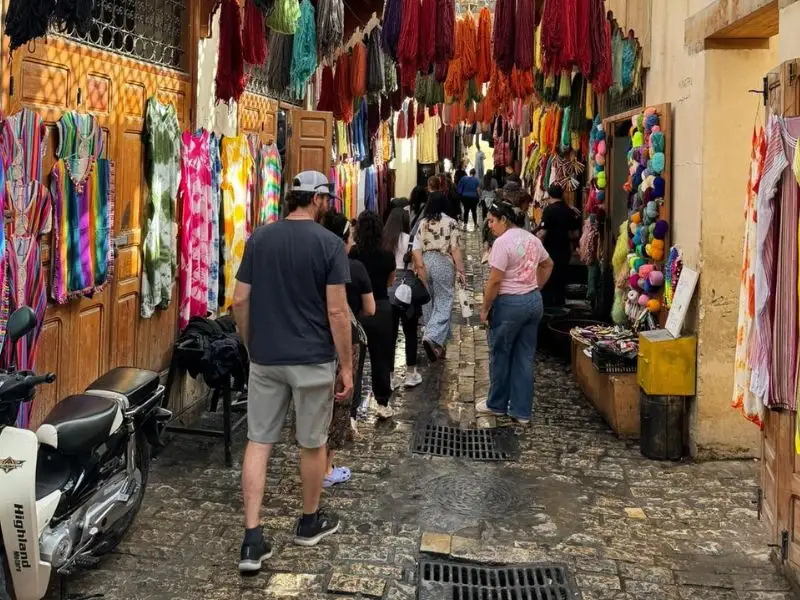
Days in the four imperial medinas, Fes, Marrakech, Meknes, Rabat, with licensed guides who can explain the difference between Almohad and Marinid plasterwork, walk you through the dyers' souk in Fes, and arrange evenings of Andalusian music in a private courtyard. The Morocco of the great cities, the libraries, the Jewish heritage trails.
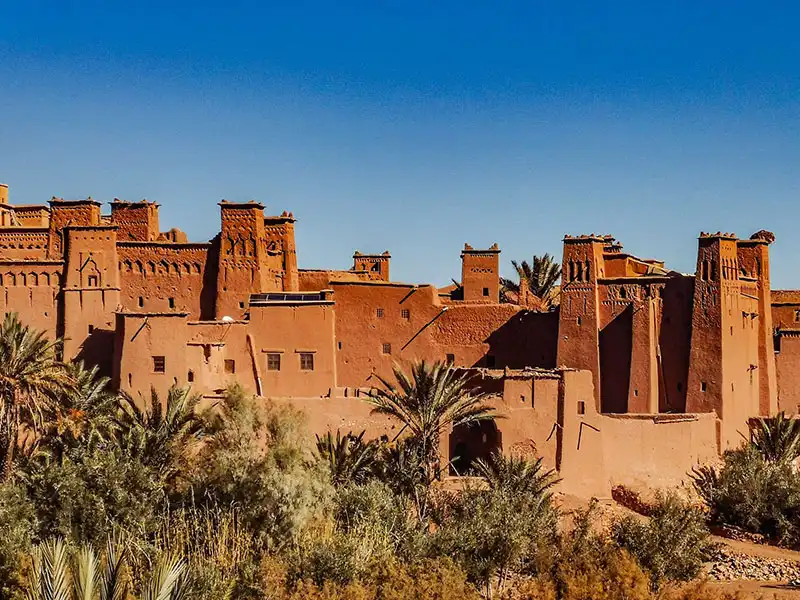
Nights with families in High Atlas villages, the tighremts of Ait Bouguemez, the Mgoun valley, Imilchil. Weaving on backstrap looms your hostess's grandmother used. Saffron-harvest days at Taliouine. This is the Morocco that takes longest to organise and pays back most.
Our take:
If it is your first cultural trip to Morocco, do the urban heritage route, the medinas of Fes and Marrakech take a few days to read. If you have already done that, go to the villages. The deepest cultural travellers we serve eventually do both, first the imperial trip, then the Berber trip, sometimes years apart. A circuit of 15 days or more can combine both in one journey.
The route is the structure. These are the experiences travellers tell us about after they go home.
The Mouassine woodworkers still cut cedar by hand. The Fes tanneries process leather the way they have since the 11th century. We arrange visits with the master craftsmen.
Founded in 859, the Karaouine library holds a major manuscript collection. Parts of it are open to non-Muslim visitors with prior arrangement.
In Mgoun and Ait Bouguemez, women weave handira blankets. The hostess explains the symbol language as she weaves. Three hours minimum.
Tarab Andalusi orchestras playing the repertoire brought from Granada after 1492. Private courtyard concerts, mint tea, 90 minutes.
October 25 to November 20. Pre-dawn picking, mid-morning drying, afternoon grading and tasting with the cooperative director.
A host in Marrakech teaches pastilla. A host in Ait Bouguemez teaches tagoula. Each class takes a full afternoon, and the recipes are family recipes.
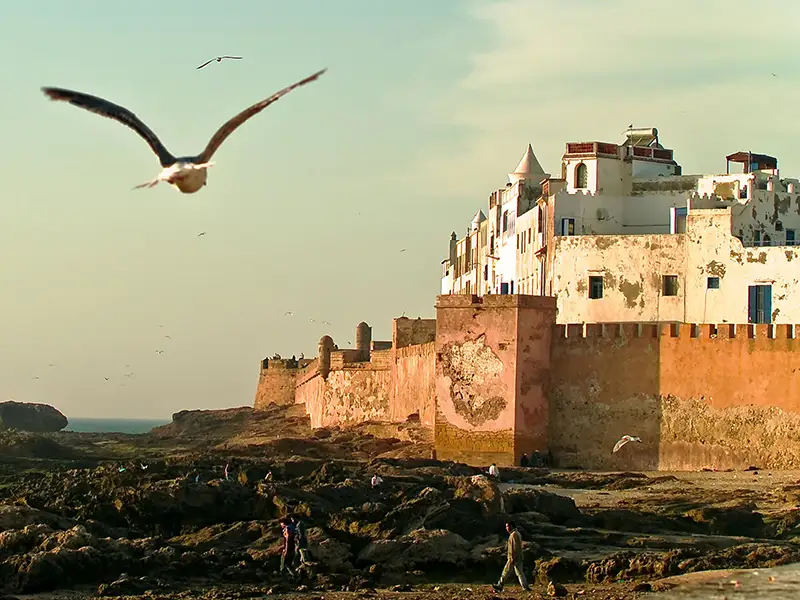
The Mellah of Fes. The synagogues of Essaouira (Slat Lkahal and Slat Atia). Led by local historians.
Trance music played on the guembri and qraqeb. We arrange private sessions with master m'allems outside festival season.
Air-conditioned sedan or minivan. Some Anti-Atlas and Mgoun valley sections require 4x4.
Licensed medina guides, village contacts, specialist guides in Jewish heritage, Andalusian music, Berber linguistics.
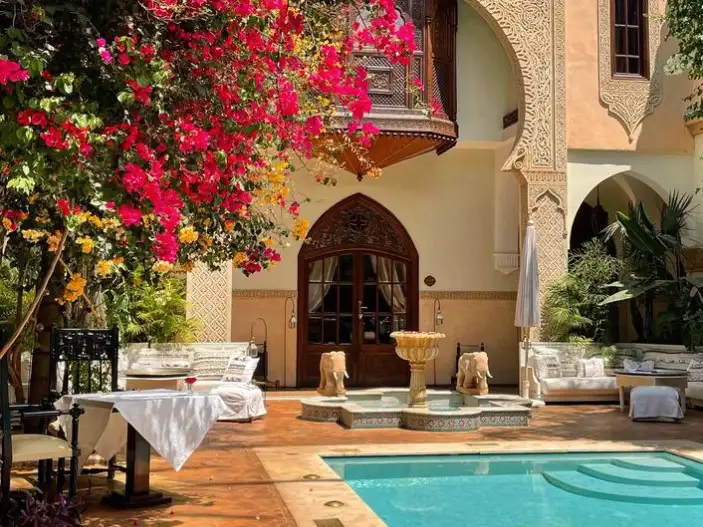
Restored riads in the imperial cities. Traditional Berber houses in mountain villages. Luxury upgrades available.
For Deep-Dive and Specialist formats, a briefing call before the trip to confirm priorities and timing.
Marrakech, Fes, Imlil, Volubilis. Imperial cities with licensed medina guides, one Berber family lunch in the Atlas, Volubilis, private Andalusian music evening in Fes.
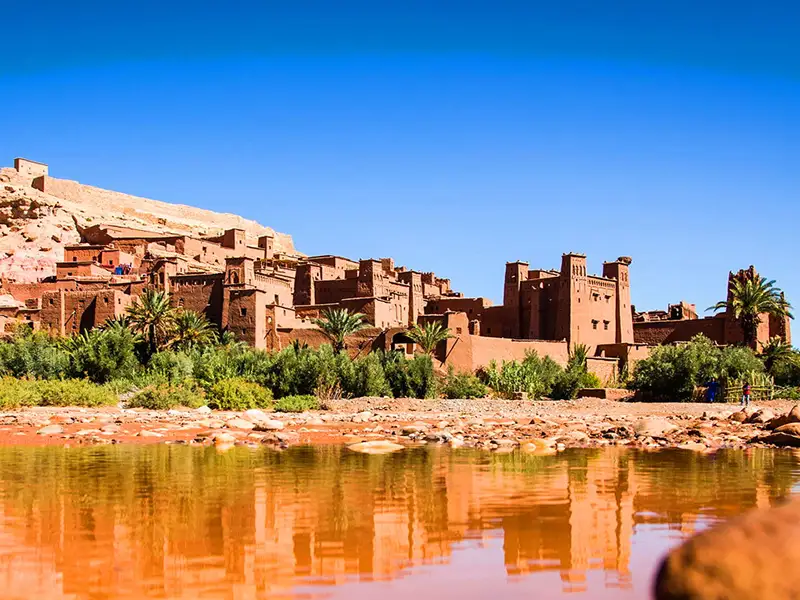
Marrakech, Ait Bouguemez, Mgoun, Imilchil, Ait Benhaddou. Three nights with families, weaving session, Ahidous music village evening, kasbah return.
Casablanca, Fes, Mgoun, Ait Bouguemez, Marrakech, Essaouira. Imperial cities, Berber villages, cooperatives, Gnawa evening at Essaouira. One-way, two airports.
Morocco works for every type of traveller. Explore our other private tour styles.
What guests say
Common questions
A cultural tour prioritises depth over coverage. Instead of moving between sights, you spend time with people, licensed historians explaining Andalusian architecture, Berber families demonstrating weaving, cooperative directors walking you through the saffron harvest. A regular tour shows you Morocco. A cultural tour introduces you to it.
If it is your first cultural trip, start with the Imperial Cities, Fes and Marrakech take a few days just to begin reading. If you have already done that, the Berber villages reward the time even more. A 15-day circuit combines both for travellers who want everything.
Price depends on group size, season, accommodation level and route. Tell us your dates and your plan, and we send a personalised quote within 24 hours.
Yes. Our Cultural Discovery format (5-7 days) focuses entirely on the Imperial Cities with licensed medina guides and just one day trip into the Atlas. Village stays are optional, not mandatory.
Spring (March-May) and autumn (September-November) suit most circuits. For the saffron harvest at Taliouine, come October 25 to November 20. For Tafraoute's almond blossom, late January to early February.
Yes. All medina guides are officially licensed by the Moroccan Ministry of Tourism. Specialist guides for Jewish heritage, Andalusian music, or Berber linguistics are credentialed historians or scholars in their fields.
Yes. We frequently work alongside university researchers, photographers, and writers pursuing a specific cultural subject. We provide the logistics; your specialist provides the expertise.
Traditional Berber houses (tighremts), often family-run guesthouses with simple, comfortable rooms and home-cooked meals with your hosts. Not luxury, but authentic and warm.
Yes. We design cultural tours for travel societies, university alumni groups, and museum patron trips. Group sizes from four to sixteen, with lecture or specialist talk evenings arranged.
Yes. We can build a circuit that combines the Imperial Cities with Berber villages and Essaouira, and extend any format with Sahara nights or Atlantic coast time.
Tell us when you're travelling, how much time you have, and what matters most, imperial heritage, Berber rural life, Jewish history, textile arts, music traditions, or a combination. We'll send a tailor-made itinerary within 24 hours. No pushy sales, no templates, just cultural journeys built since 2011 on relationships with families, artisans and licensed guides.