On this page
- 1. Is There a Minimum Age?
- 2. The Real Question Isn't Age, It's the Drive
- 3. Which Moroccan Desert Is Best for Families?
- 4. Choosing the Right Camp
- 5. What a Desert Night With Children Actually Looks Like
- 6. The Cold Most Families Don't Expect
- 7. Is One Night Enough?
- 8. If Your Children Are Under Five: Consider Agafay
- 9. What to Pack
- 10. Best Time of Year
- 11. What Usually Makes It Hard
- 12. Frequently Asked Questions
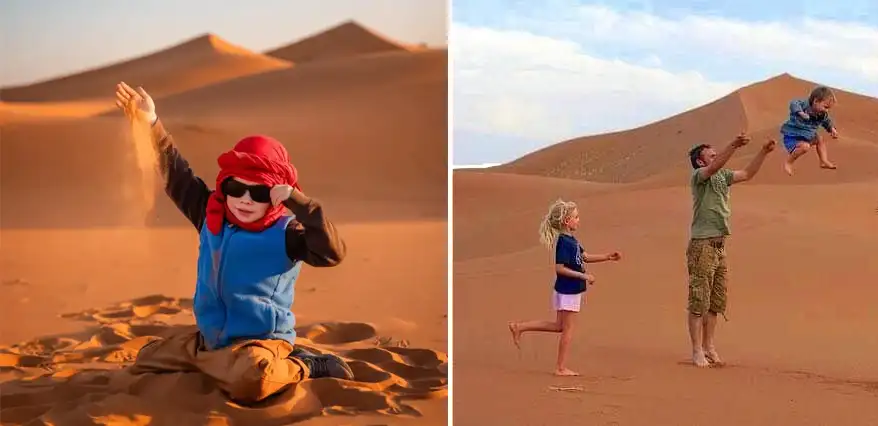
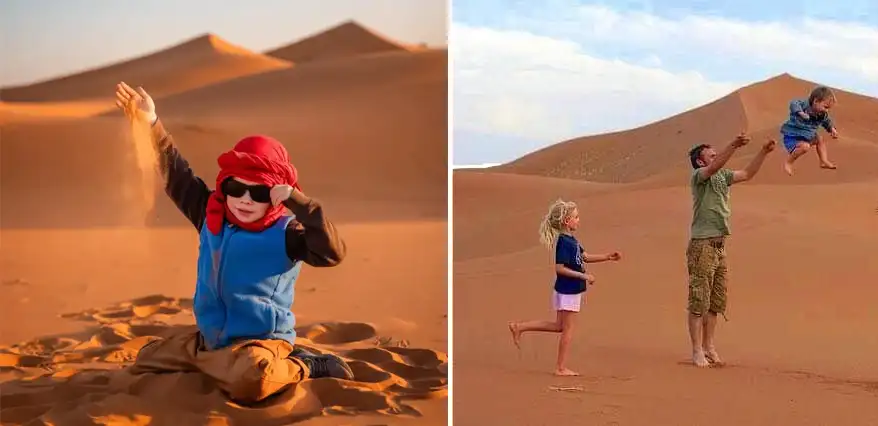
The question we get most often isn't really about the desert, but whether children are too young for this - usually asked by a parent picturing a long, uncomfortable drive followed by a night in a tent that might be too cold, too basic, or simply too much for them to enjoy.
The honest answer is that age matters less than most parents assume. What actually determines whether a Sahara trip works with young children is the drive, the camp you choose, and how you set expectations going in. In practice, we've found that a five-year-old can have a wonderful desert night, while an eight-year-old can struggle if the itinerary involves too much time in the car. Here's what we've learned designing these private family desert trips since 2011.
Quick answer: Can young children go to the Sahara?
Yes, as there is no universal minimum age for a Sahara trip in Morocco. For families, the bigger question is how much driving your children can comfortably handle. Around age five is a useful starting point for many families, while younger children may prefer a shorter desert experience such as Agafay. If you choose Merzouga, plan the journey as a multi-day itinerary rather than a quick overnight excursion.
Is There a Minimum Age?
No strict rule exists. We've built trips for families with children of many ages, and in our experience, around five is a useful age at which many children start getting much more out of the experience - old enough to appreciate the camel ride, dunes and night under the stars.
Younger children can absolutely go, especially on a private trip where the pace adjusts to them rather than a group schedule. A private trip also means you can stop for snacks, toilet breaks and short walks whenever your child needs them. The question that actually matters isn't "is my child allowed" - it's whether the journey itself suits how your child travels.
The Real Question Isn't Age, It's the Drive
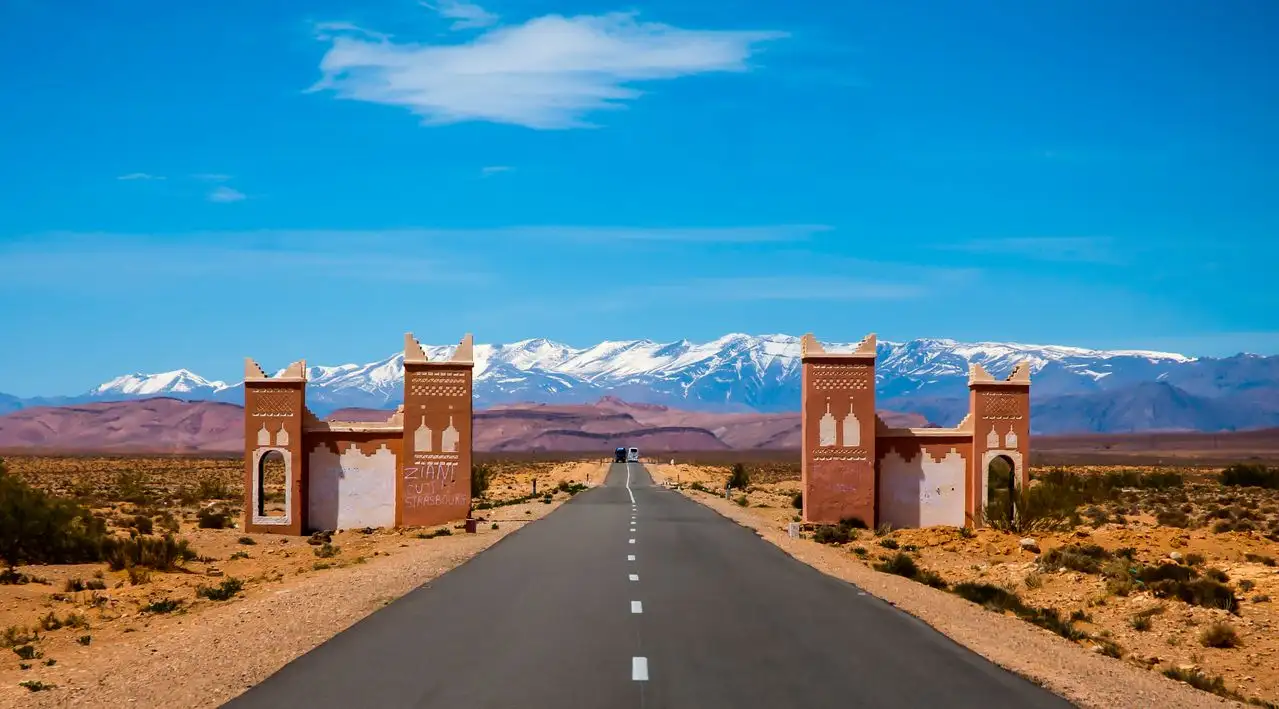
From Marrakech, Merzouga is roughly 560km away and typically takes around 8-10 hours of driving without long stops. For families, we strongly recommend treating the journey as part of a multi-day itinerary, with an overnight stop, rather than trying to rush there and back. Many family itineraries break the journey with stops around Ait Benhaddou, Ouarzazate, or the Draa Valley.
Zagora is the shorter southern option from Marrakech, at around 6-7 hours. M'Hamid is farther south again, and is better thought of as a gateway to the more remote desert around Erg Chigaga than as a dramatically shorter alternative to Merzouga - reaching it typically involves a similar total journey time once the additional stretch beyond Zagora is included.
A private vehicle is especially valuable on a Morocco desert itinerary with young children. It means stops happen when your child needs them, not when a schedule allows - a proper lunch break, an unplanned rest, a chance to run around before getting back in the car. For younger children, ask your driver to plan regular toilet and movement breaks rather than trying to cover the route with the fewest possible stops.
Which Moroccan Desert Is Best for Families?
Rather than assigning ages to each destination, it's more useful to think about what your family's priority actually is.
For families who specifically want the classic large Saharan dunes, Merzouga is usually the strongest choice - taller dunes and more established camp infrastructure. If reducing driving time is the priority, Zagora deserves a closer look. Erg Chigaga rewards families with more time and children who are comfortable with a longer journey, rather than being tied to a specific age - it fits naturally into a longer Morocco itinerary for families that already has room for a two-night desert stay.
Choosing the Right Camp
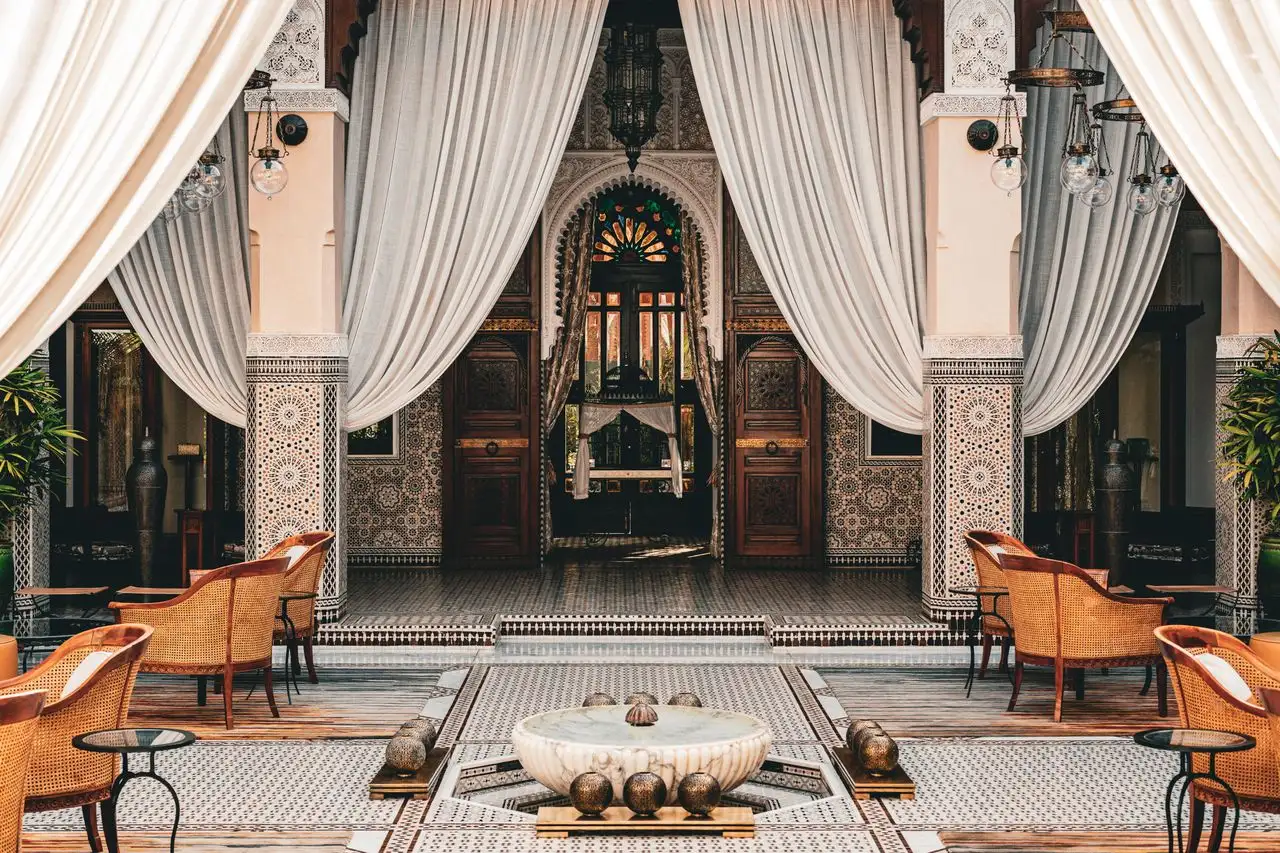
The specific camp matters as much as the destination itself, especially with young children. Before booking, it's worth checking:
- Proper beds rather than mattresses on the floor
- Warm blankets provided, particularly for a winter visit
- A private bathroom, if that matters to your family
- How far the tent is from the main dining area
- Whether a torch or headlamp is needed or provided, particularly at more basic camps
- Reliable hot water and electricity, if those matter for your family
What a Desert Night With Children Actually Looks Like
Ideally, you arrive at camp in the late afternoon with enough time to enjoy the dunes before sunset. A short camel ride is usually plenty for younger children - if your child loves it, longer rides can be arranged on some itineraries. Sandboarding afterward is one of the purely fun things the Sahara offers; for younger children, this can be as simple as sliding down a small dune rather than attempting a long descent.
Dinner at camp is traditional Moroccan food, usually with music. Then the real point of the whole trip: the sky. Away from any city light, children who've never seen a truly dark sky tend to go quiet in a way that's hard to replicate anywhere else in Morocco. An early night follows, and for families who want it, a sunrise wake-up the next morning before the drive back.
The Cold Most Families Don't Expect
The Sahara is famous for heat, which is exactly why the cold catches people off guard. Desert nights can become very cold in winter, particularly in December and January, and temperatures can occasionally approach freezing.
A jumper that felt unnecessary during the afternoon can become essential after sunset. This is also where the camp itself makes a real difference: proper beds and warm bedding versus a more basic setup shows up directly in how well a child sleeps, which shows up the next day in how the drive home goes.
Is One Night Enough?
For a first desert trip, one night is often enough to experience the highlights - the camel ride, the sunset, dinner at camp, and a night under the stars. A second night becomes more worthwhile when you want a slower pace or additional activities, such as a 4x4 excursion or a desert walk, rather than simply repeating the same overnight experience. This tends to appeal most to older children who enjoy a slower pace and a fuller day in the dunes.
If Your Children Are Under Five: Consider Agafay
The Sahara isn't off-limits, but it's worth being honest: a long day of driving for a single night under the stars doesn't always pay off for very young children - if your Morocco family trip is on the shorter side, that time is often better spent elsewhere. Agafay, roughly 30-45 minutes from Marrakech depending on the camp, is the swap we suggest most often.
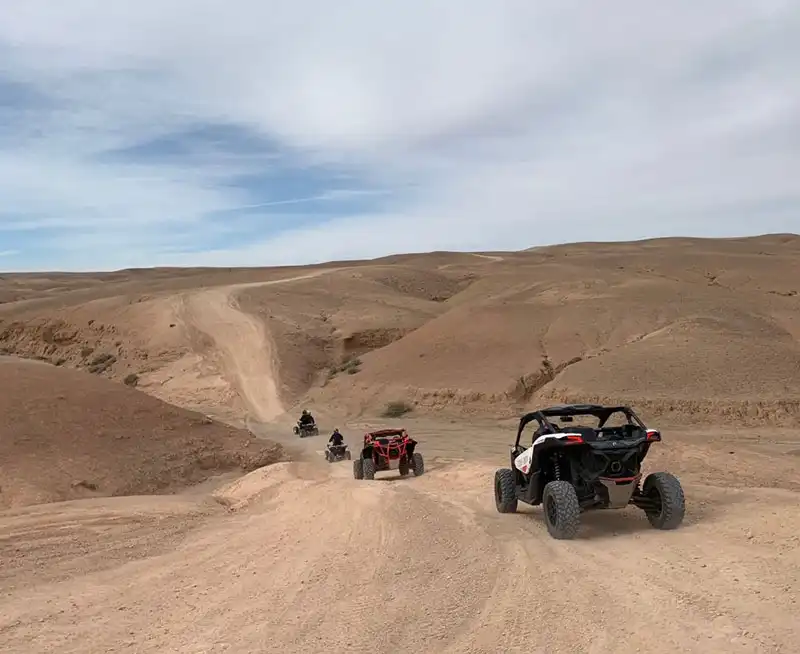
Agafay isn't the Sahara and doesn't have the same towering sand dunes - it's a rocky, gravelly landscape rather than a classic sand desert. But for a young child, it can provide many of the elements children tend to enjoy: a camel ride, a sunset, dinner outdoors, and sleeping beneath a dark sky, without the long journey south.
What to Pack for the Desert With Kids
A short, practical list rather than an exhaustive one - these are the items that actually get used.
- A warm fleece or jumper for after sunset
- Long trousers, useful for both the camel ride and cooler evenings
- Closed shoes or sandals suitable for sand
- A hat and sunglasses
- Sunscreen
- A water bottle
- Small snacks for the drive
- Wet wipes or tissues
- Any familiar bedtime item, particularly for younger children
- A small backpack for the camel ride
- A headlamp or torch, especially at more basic camps
- Any regular medication and a small family first-aid kit
Best Time of Year
For most families, spring and autumn offer the best balance of comfortable daytime temperatures and manageable nights. Winter can be excellent during the day but very cold after sunset, while summer heat can be intense and is best avoided with young children.
In our experience, March, April, October and November are particularly comfortable months for families - warm days without the peak summer heat, and nights that are cold but manageable with the right layers.
What Usually Makes It Hard
Most difficult desert trips with children come down to a handful of avoidable issues, not the desert itself.
- Too much driving packed into a single day
- Arriving at camp too late to enjoy the dunes before dark
- Choosing a more basic camp when the child genuinely needs comfort to sleep well
- Not bringing warm layers for after sunset
- Expecting a long camel ride to be enjoyable for a young child - shorter is usually better
- Packing too many stops into one itinerary, rather than allowing rest time
- Choosing a destination based only on dune size, rather than the journey it takes to get there
None of these are reasons to skip the desert - they're simply the details worth getting right before you go.
Frequently Asked Questions
Is there a minimum age for a Sahara desert camp in Morocco?
There is no universal minimum age. For younger children, the bigger consideration is the length of the journey and how well the itinerary matches their routine. Around age five can be a useful starting point for many families, while younger children may be happier with a shorter desert experience such as Agafay.
How long is the drive from Marrakech to Merzouga with children?
Roughly 8-10 hours of driving without long stops. With children, we recommend building the journey into a multi-day itinerary with an overnight stop rather than trying to make the desert a rushed overnight excursion.
Is Merzouga or Zagora better for kids?
Zagora involves noticeably less driving, around 6-7 hours from Marrakech. Merzouga has taller, more classic dunes and more established camp infrastructure. Neither is objectively better - it depends on whether reducing driving time or seeing the largest dunes matters more to your family.
Is Agafay a good alternative to the Sahara for young children?
Yes, if your priority is a shorter desert experience. Agafay is rocky rather than covered in the classic sand dunes of the Sahara, but it offers camel rides, sunset and a night under the stars just 30-45 minutes from Marrakech.
Is the Sahara cold at night for children?
It can get very cold, particularly December through January, occasionally close to freezing. A warm layer that felt unnecessary in the afternoon becomes essential after sunset - a comfortable camp with proper bedding makes a real difference to a child's night's sleep.
Is one night in the desert enough with kids?
For a first trip, usually yes - it covers the core experience. A second night is worth adding when you want a slower pace or extra activities like a 4x4 excursion, rather than simply repeating the first night.
Further Reading
- Erg Chebbi - background on the dune field most families visit near Merzouga, including its scale and formation
Written by
Said, Senior Guide and co-founder of Morocco Tours. A former mountain guide, Said has been a guide certified by Morocco's national tourist office since 2009, and has spent much of that time designing and personally reviewing the family desert itineraries the company runs today - from the route and camp selection down to the pacing of each driving day.
Every family's comfort level is different. Tell us your children's ages, how many days you have, and whether you'd prefer the classic Merzouga dunes or a shorter desert experience - we'll suggest the route, camp and pace that fit.
Explore Family Trips to Morocco → · Plan a Private Trip →
You may also like: 5-Day Morocco Family Trip · 7-Day Morocco with Kids · 10-Day Morocco Family Itinerary · Merzouga Travel Guide