- Home
- Morocco Travel Blog
- What Do I Need to Do Before Travelling to Morocco?
What Do I Need to Do Before Travelling to Morocco?
What Do I Need to Do Before Travelling to Morocco?
The vibrant colors of the souks, the smell of spices in the air, and the golden dunes of the Sahara Morocco is a dream destination for many. But before you sip mint tea in a riad, a little preparation goes a long way.
Traveling to North Africa is an exciting adventure, but the logistics can sometimes feel overwhelming. From currency rules to cultural etiquette, knowing what to expect will save you time, money, and stress.
Whether you are planning a solo backpacking trip or a luxury getaway, here is your ultimate checklist of what you need to do before travelling to Morocco.
1. Check Your Documents & Entry Requirements
Before booking anything, make sure your paperwork is in order. Morocco has strict entry rules that are strictly enforced at borders.
- Passport Validity: Your passport must be valid for at least six months beyond your date of entry. If it expires sooner, renew it before you fly.
- Visa Requirements: Citizens from the US, UK, Canada, Australia, and EU countries generally do not need a visa for tourist stays of up to 90 days. However, always check the latest updates from your local Moroccan consulate.
- Return Ticket: Immigration officers may ask for proof of a return or onward flight ticket to ensure you don’t plan to overstay.
- Print Your Documents: While digital copies are great, having printed copies of your hotel bookings and flight itinerary can speed up your passage through customs.
2. Health & Safety Preparations
Morocco is generally safe for tourists, but taking health precautions ensures your trip isn't ruined by a preventable illness.
- Vaccinations: There are no mandatory vaccines for most travelers, but the CDC and WHO recommend being up to date on routine vaccines. Hepatitis A and Typhoid shots are often recommended since they can be contracted through food or water.
- Travel Insurance: This is a non-negotiable. Ensure your policy covers medical emergencies, evacuation, and trip cancellation.
- Water Safety: Tap water in Morocco is generally not recommended for drinking. Plan to buy bottled water or bring a filtered water bottle to reduce plastic waste.
3. Money Matters: Cash is King
One of the most common questions is about money. The currency is the Moroccan Dirham (MAD).
- Closed Currency: The Dirham is a "closed currency," meaning you cannot legally obtain it outside of Morocco. You will need to exchange money or withdraw cash once you arrive.
- Bring Cash: Bring Euros (EUR) or US Dollars (USD) to exchange at the airport or city exchange bureaus. Bills should be crisp and undamaged.
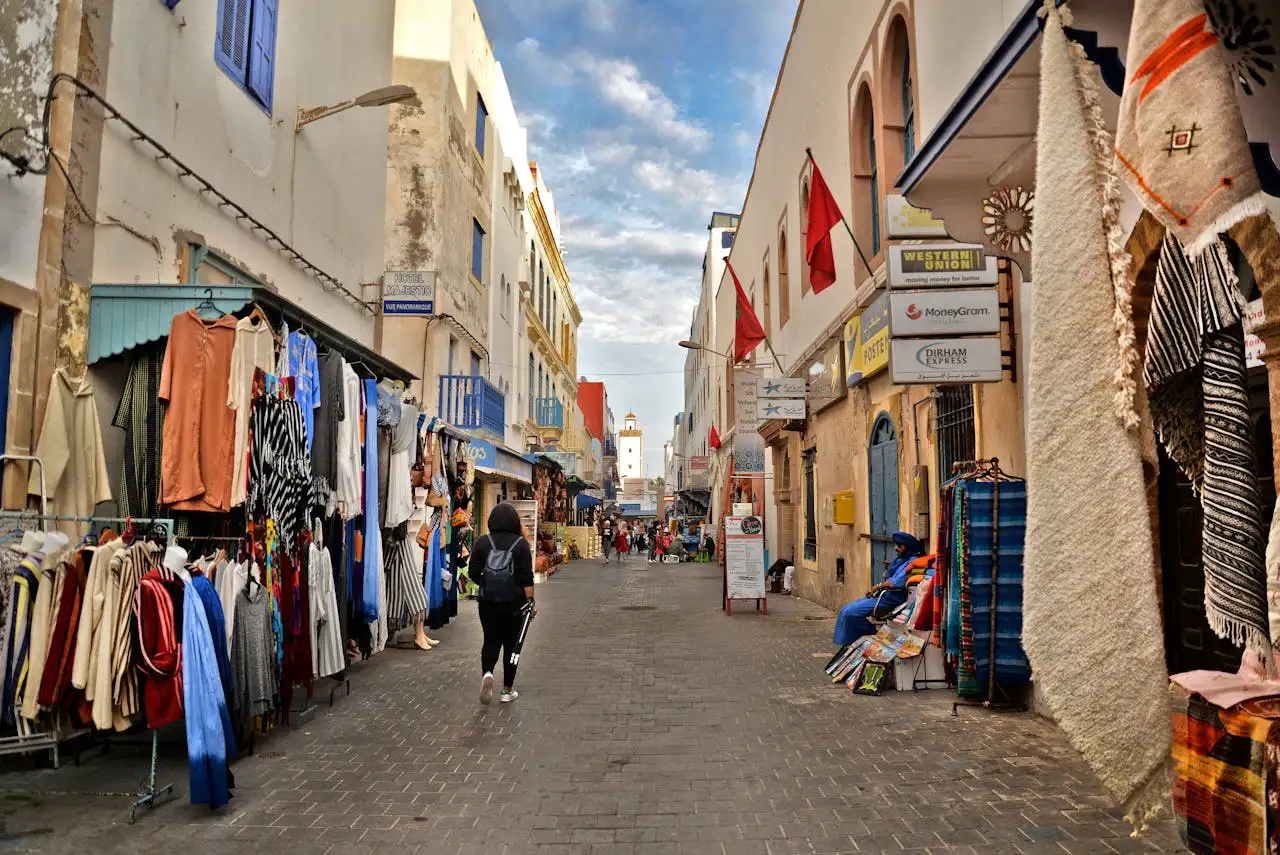
- Cash vs. Card: While luxury hotels and large restaurants in Marrakech accept cards, cash is king in Morocco. You will need small change for taxis, souk shopping, and tipping.
- Notify Your Bank: Let your bank know you are traveling to Morocco so they don’t freeze your card for suspicious activity.
4. Packing & Cultural Etiquette
Morocco is a Muslim-majority country with a conservative culture. Respecting local customs will make your interactions with locals much warmer.
- Dress Code: You don’t need to cover your head (unless entering a mosque), but modesty is appreciated.
- For women: It is respectful to cover shoulders and knees, especially in rural areas or traditional medinas. A lightweight scarf is a versatile travel essential.
- For men: Long shorts are okay, but long pants are preferred in the evening or more formal settings.
- Essentials to Pack:
- Universal Adapter: Morocco uses European-style two-pin plugs (Type C/E).
- Sun Protection: The sun is strong, even in winter. Bring high-SPF sunscreen, sunglasses, and a hat.
- Imodium/Activated Charcoal: Just in case your stomach takes a few days to adjust to the new cuisine.
5. Stay Connected
Roaming charges can be astronomical. The best way to stay connected is to buy a local SIM card upon arrival.
- Providers: Maroc Telecom, Orange, and Inwi offer excellent coverage.
- Where to buy: You can often get a free SIM card at the airport and top it up with data for a very low price (e.g., 10GB for around $10 USD). Having data is crucial for using Google Maps in the winding streets of the medinas!
6. Plan Your Itinerary & Transport
Morocco is bigger than it looks on a map. Traveling from the blue city of Chefchaouen in the north to the Sahara Desert in the south takes time.
- Public Transport: Trains (ONCF) are efficient between major cities like Tangier, Rabat, Casablanca, and Marrakech.
- The Challenge: Reaching the Atlas Mountains, the Sahara Desert, or remote coastal towns can be difficult with public transport. Buses can be slow, and driving yourself can be stressful due to chaotic traffic and road conditions.
Skip the Stress: Book a Guided Tour
Navigating Morocco’s logistics from haggling for taxis to finding safe desert camps can be exhausting for first-time visitors.
If you want to experience the real Morocco without the headache of planning every transfer and hotel, consider booking a private or small group tour. You get the benefit of local knowledge, safe reliable transport, and curated experiences that you might miss on your own.
Ready for the Adventure of a Lifetime?
Don't let logistics hold you back from experiencing the magic of Morocco. Whether you want to sleep under the stars in the Sahara or explore the ancient medinas of Fes, we handle the details so you can focus on the memories.
Plan less, experience more. Book your hassle-free Moroccan adventure with Morocco Tours today!
Recent Posts
What Do I Need to Do Before Travelling to Morocco?

Is It Safe to Go to Morocco Right Now?
Where Do Celebs Stay in Marrakech?
Top Deals Of The Month

Marrakech To Merzouga 4-Day Tour

Sunset Dinner In The Agafay Desert
Quad excursion in the Agafay desert
